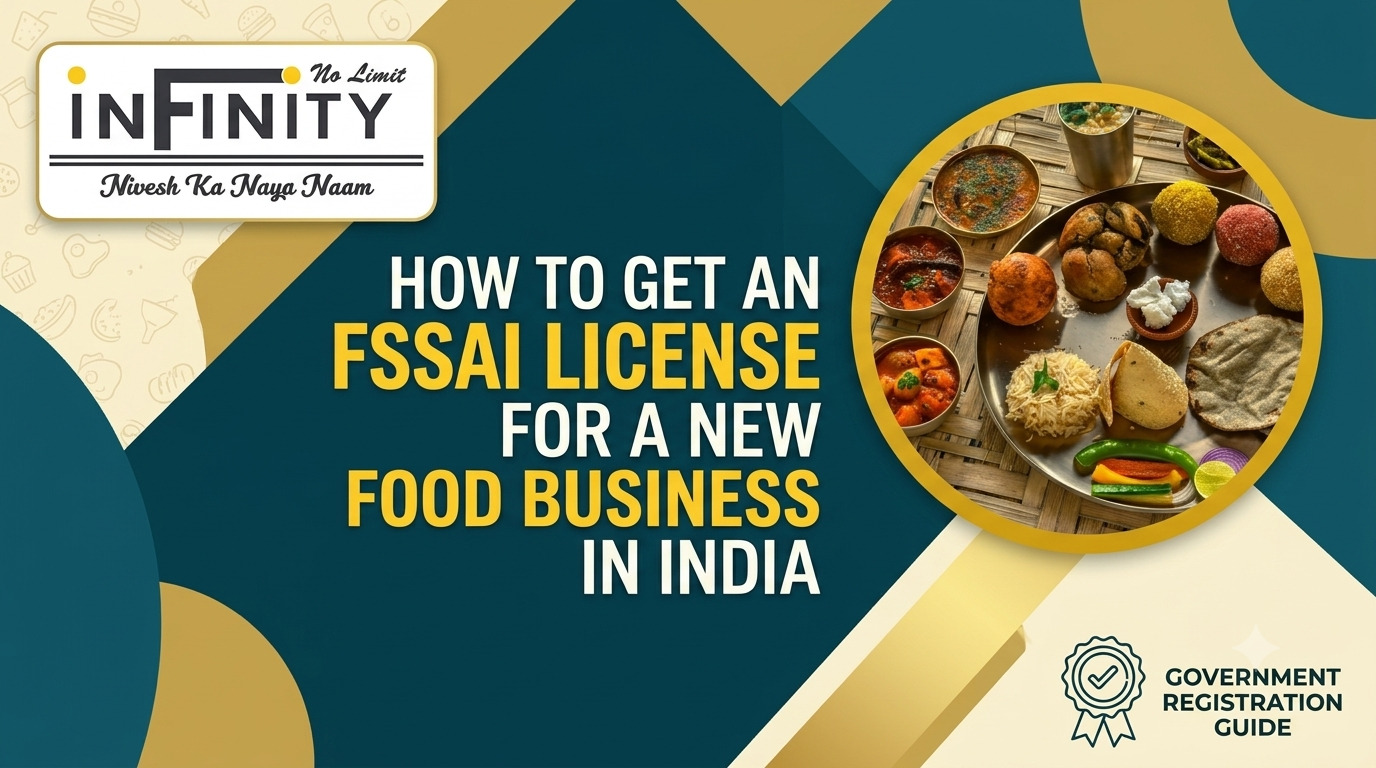
Starting a food business is an exciting opportunity, whether you plan to open a restaurant, launch a cloud kitchen, sell homemade snacks, manufacture packaged food, or establish a catering service. However, before turning your idea into a successful venture, it is essential to understand the food safety regulations that apply to your business.
In India, food businesses must comply with applicable regulations established under the Food Safety and Standards Act, 2006. Obtaining the appropriate registration or license helps businesses operate within the legal framework and demonstrates a commitment to food safety and hygiene.
If you are planning to launch a food venture in Rajasthan, understanding food license registration can help you prepare the necessary documents and complete the application process correctly.
This guide explains how to get an FSSAI license for a new food business in India, including eligibility, types of licenses, required documents, application steps, fees, and compliance requirements.
What Is an FSSAI License?
The Food Safety and Standards Authority of India (FSSAI) is the statutory authority responsible for regulating food safety in India. It establishes food safety standards and oversees the registration and licensing framework for food business operators.
An FSSAI registration certificate or license identifies a food business within the applicable regulatory framework. It supports accountability for food preparation, processing, storage, transportation, distribution, and sale.
Whether you operate a small home-based food business or a large manufacturing unit, you should determine which FSSAI registration or license category applies to your activities.
Obtaining the appropriate registration or license helps businesses meet applicable regulatory requirements, build customer confidence, and establish consistent food safety practices.
Who Needs FSSAI Registration in India?
Food business operators generally need the applicable FSSAI registration or license before commencing regulated food business activities. The specific requirement depends on the nature, scale, and other relevant characteristics of the business.
Businesses that may require FSSAI registration or licensing include restaurants, cafes, hotels, cloud kitchens, home-based food businesses, bakeries, food manufacturers, grocery stores, food retailers, catering services, packaged food brands, food distributors, and eligible food importers.
For example, someone starting a home bakery in Jaipur should determine the applicable registration category before accepting commercial orders. Similarly, a packaged snack manufacturer must assess the appropriate category based on its business activities and production capacity.
The most important step is to identify your business activity correctly rather than assuming that every food business requires the same type of license.
Types of FSSAI Registration and Licenses in India
Before beginning the FSSAI license application process, you must identify the category applicable to your business. The principal categories are Basic Registration, State License, and Central License.
Basic FSSAI Registration
Basic Registration is intended for eligible petty food businesses and small-scale food operators that meet the prescribed criteria. Certain small retailers, food vendors, and small food manufacturers may qualify, depending on their activities and current eligibility requirements.
State FSSAI License
A State License applies to food businesses that meet the relevant State License criteria. Depending on the business category, this may include certain restaurants, manufacturers, distributors, and other food operators.
Central FSSAI License
A Central License applies to specified categories of food businesses under the applicable regulations. Certain importers, exporters, and businesses operating in particular regulated categories may require this license.
The correct category cannot always be determined by turnover alone. Business activity, production capacity, location, and other regulatory criteria may also affect eligibility. Applicants should use the official FoSCoS eligibility checker to determine the applicable category before submitting an application.
Documents Required for FSSAI License Registration
Preparing the required documents in advance can make the application process more efficient. The exact documentation depends on your business type and the registration or license category.
Commonly required information and documents may include applicant identification details, PAN and relevant business identification information, proof of possession of the business premises, business address details, information about food products and business activities, and details of the proprietor, partners, or company, as applicable.
Depending on the category, applicants may also need to provide photographs, declarations, or additional supporting documents. Food manufacturing businesses may require technical information relating to production processes, equipment, manufacturing capacity, and food products.
Before submitting your application, review the latest document checklist on the official FoSCoS portal. Ensure that the information is accurate and that uploaded documents are complete and readable.
Key FSSAI License Requirements for a New Food Business
Before starting a food business in India, entrepreneurs should understand the essential FSSAI license requirements and ensure that their business meets the applicable food safety regulations. These requirements may vary depending on the type of food business, its operational scale, and the category of registration or license.
1. Correct Business Classification: Identify whether your business operates as a restaurant, cloud kitchen, home bakery, food manufacturing unit, retailer, or catering service. Your business activity helps determine the applicable FSSAI registration or license category.
2. Suitable Business Premises: Ensure that your business premises meet the relevant hygiene, sanitation, and food handling requirements. Food preparation, storage, and processing areas should be suitable for the activities being carried out.
3. Accurate Business Information: Maintain correct details about the business owner, business address, food products, and nature of operations. Consistent information helps establish the accuracy of your application and supporting records.
4. Food Safety and Hygiene Practices: Follow appropriate practices for food storage, preparation, handling, transportation, and waste disposal. Businesses must comply with the food safety requirements applicable to their operations.
5. Required Documentation: Keep the prescribed identity, address, premises, and business-related documents ready. Depending on the category, additional technical documents or declarations may be necessary.
6. Valid Registration or License: Ensure that the applicable registration or license remains valid and that you comply with its conditions. Check the relevant renewal or modification requirements whenever your business circumstances change.
For entrepreneurs seeking food license registration in Jaipur, understanding these requirements before launching a food venture can help reduce compliance-related errors and support smoother business operations. Always verify the latest eligibility criteria and documentation requirements through the official Food Safety Compliance System (FoSCoS) portal.
What Is the Cost of an FSSAI License in India?
The cost of FSSAI license registration depends on the applicable category, license type, and other relevant requirements. Government fees differ across registration and licensing categories.
Your total expenditure may include the prescribed government fee and professional assistance charges if you choose to hire a consultant. Additional expenses may arise if your business requires specific documentation or other compliance-related preparations.
For an accurate estimate, consult the latest fee structure on the official FoSCoS portal before applying. Government fees and professional service charges are separate, so request a clear breakdown if you use a registration service provider.
Avoid relying on outdated fee information or unofficial websites when estimating your registration expenses.
How Long Does It Take to Get an FSSAI License?
The time required to obtain an FSSAI registration or license depends on the application category, the completeness of your documents, and whether additional information or an inspection is required.
Incorrect business classification, incomplete documents, and delayed responses to clarification requests may affect processing time.
If you are applying for food license registration in Jaipur, start the process early and monitor your application regularly. Do not assume that submitting an application automatically authorizes you to begin regulated food business activities.
Common Mistakes to Avoid During FSSAI Registration
New food entrepreneurs sometimes make avoidable mistakes while applying for a food business license in India.
One common mistake is selecting the wrong registration or license category without reviewing the eligibility criteria. Applicants should also avoid submitting incomplete documents, entering inconsistent business details, ignoring application updates, or relying on unofficial websites for payments and applications.
Another important mistake is overlooking ongoing compliance after receiving the registration certificate or license. Businesses must follow applicable food safety requirements and maintain the validity of their authorization.
Reviewing your application carefully and following official instructions can help reduce errors and make the process more straightforward.
Food License Registration in Jaipur: What New Business Owners Should Know
Jaipur offers opportunities for food entrepreneurs across restaurants, cafes, home bakeries, catering services, cloud kitchens, and packaged food businesses. However, the applicable registration and licensing requirements depend on the business model and relevant regulations rather than the city alone.
If you are starting a food business in Jaipur, begin by identifying your activities and confirming the correct FSSAI category. Prepare the necessary documents, apply through the official FoSCoS portal, and monitor your application until a decision is issued.
You should also determine whether your premises and operations require other permissions, such as municipal trade permissions or fire safety approvals. These requirements depend on the nature and location of your business.
If you need professional assistance with food license registration in Jaipur, choose a service provider who clearly explains the application category, government fees, documentation, and compliance obligations.
Conclusion
Obtaining the appropriate FSSAI registration or license is an important step towards establishing a compliant and trustworthy food business in India. By identifying the correct category, preparing the required documents, applying through FoSCoS, and following food safety practices, entrepreneurs can build a stronger foundation for long-term growth.
Whether you are opening a cafe, launching a cloud kitchen, or selling homemade food products, understanding the applicable requirements before starting operations can help you avoid unnecessary complications.
For entrepreneurs planning food license registration in Jaipur, the best starting point is to verify eligibility, review the latest official requirements, and complete the application carefully. A well-prepared approach allows you to focus on delivering safe, high-quality food and earning customer trust.
Popular Posts
-

Company Registration Rejected? Common Reasons and Possible Solutions
23 Oct,2026 -
How to Get an FSSAI License for a New Food Business in India
15 Oct,2026 -

What Factors Influence Your Company Registration Process?
09 Oct,2026 -

What Are the Benefits of Firm Registration for Business?
25 Sep,2026 -

What Makes Mutual Funds Suitable for New Investors?
18 Sep,2026 -
What Mistakes Should You Avoid During NGO Registration?
11 Sep,2026 -

What Documents Are Needed for FCRA Registration?
05 Sep,2026 -
5 Best Mutual Fund Investment Options in Jaipur for 2026
17 Aug,2026 -
Simplifying GST Registration: Solutions to Common Issues
21 May,2026 -
Composition Scheme vs Regular GST Registration: Which Is Better for You?
11 May,2026
.png)